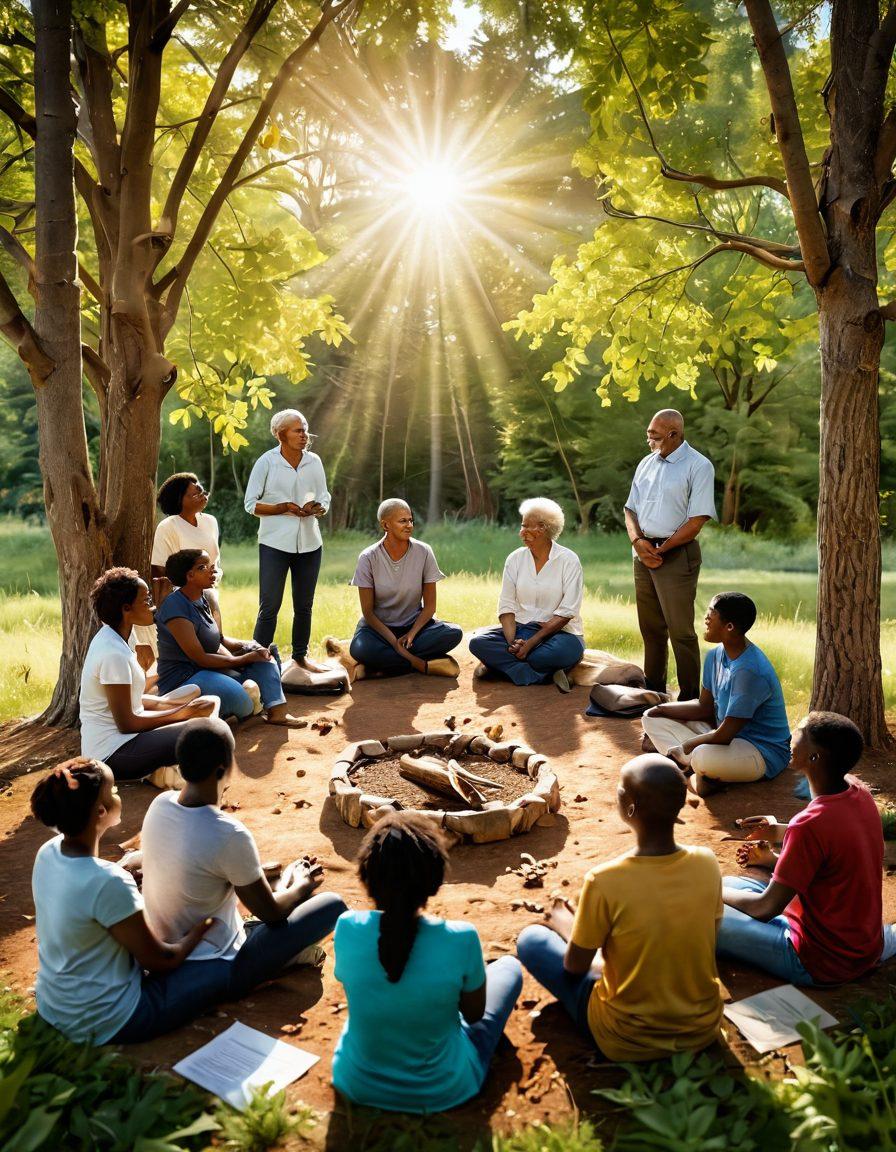
Empowering Cancer Survivors: Embracing Wellness through Holistic Care and Community Support
In the journey of life, few challenges are as daunting as a cancer diagnosis. For many, hearing the dreaded words from their oncologist can feel like a kick to the gut, rattling their world and shaking their sense of normalcy. However, amidst this oftentimes overwhelming path, there lies a beacon of hope: nurturing resilience through holistic health in cancer recovery. It is essential that cancer survivors not only strive for survival but also thrive during and after their treatment. Whether it is through nutrition and cancer benefits, alternative therapies, or simply fostering community support, adopting a holistic approach can significantly enhance the quality of life for those recovering from malignancy. What if embracing wellness can be as integral to the journey as chemotherapy or radiation therapy?
The concept of holistic health embodies treating the whole person, not just the tumor. When discussing cancer care, it’s easy to get caught up in clinical definitions and treatment options such as immunotherapy, chemotherapy, and clinical trials. However, we must remember that behind every cancer survivor’s story lies a profound human experience filled with emotional support and coping mechanisms that often go unnoticed. A cancer survivor once shared, "It wasn’t just my oncologist who saved my life; it was the community that wrapped around me, offering strength and listening ears during my hardest days." How do we leverage that community support and emotion into our cancer care journeys?
Nutrition plays a pivotal role in the realm of holistic health, especially for those navigating the turbulent waters of cancer recovery. Research studies have shown that certain foods can enhance the body’s ability to handle the side effects of treatment and promote recovery during palliative care. For instance, incorporating fruits, vegetables, and whole grains into one’s diet helps bolster the immune system, potentially improving the patient's response to treatments like radiation therapy. Lifestyle changes can sometimes feel overwhelming, but simple adjustments can lead to profound transformations. When contemplating what to eat, ask yourself: are you feeding your body or merely filling your stomach?
Furthermore, numerous cancer forums and wellness groups offer patient resources and health education tailored to survivors. Sharing stories of trials, tribulations, and triumphs helps foster invaluable support networks. Engaging in awareness campaigns not only raises the profile of cancer advocacy but reminds us that knowledge is power. It connects survivors, families, and advocates to share effective coping mechanisms and alternative therapies, enriching their overall wellness during recovery. Have you found your tribe, or are you still searching for others who understand your journey?
Ultimately, nurturing resilience through holistic health is not just a pathway—it's a philosophy. It cherishes connection, celebrates small victories, and enables cancer survivors to reclaim their lives with strength and purpose. Wellness is not a destination; rather, it is a continuous journey that can be harmonized through supportive communities and conscientious lifestyle choices. Remember, the conversation around cancer recovery is evolving, and with it, the tools at our disposal. So, let’s stand together, advocate for one another, and create a future where everyone can embrace hope, resilience, and a healthy lifestyle. Are you ready to take the first step?
Building a Supportive Network: Community and Patient Advocacy for Survivors
Navigating the journey of a cancer diagnosis is no small feat. For many, the word 'malignancy' evokes fear and uncertainty. Yet, cancer survivors—those who have faced the daunting landscapes of chemotherapy, radiation therapy, and immunotherapy—represent resilience personified. As they emerge from the shadows of treatment, one essential ingredient for their continued wellness is often overlooked: community support. Building a supportive network is a vital aspect of cancer care; it provides not just emotional support but also fosters a sense of belonging in an often isolating experience.
Imagine walking into a room filled with individuals who truly understand your battles. Quotes like, "You are not alone on this journey" echo as truths in a supportive community of cancer survivors. The power of shared experiences can catalyze healing—transforming the sorrow of diagnosis into stories of hope. Advocacy thrives in these spaces, elevating patient voices and shaping research studies that seek improved cancer care and preventative options. By participating in cancer forums, survivors can connect with others, discuss coping mechanisms, and share valuable insights learned along the way.
So, how can fellow survivors and their families actively contribute to building this crucial support network? First, seek out community resources such as local wellness centers or advocacy groups focused on health education. These organizations often serve as hubs for awareness campaigns, offering cancer survivors the tools needed for lifestyle changes that align with their wellness goals. Workshops on nutrition and cancer, mindfulness techniques, and alternative therapies are avenues through which survivors can embark on a journey toward a healthier lifestyle, making necessary strides toward emotional and physical well-being.
One of the most rewarding aspects of patient advocacy is the opportunity to educate. Sharing knowledge about cancer symptoms and treatment options like clinical trials can empower others navigating through similar paths. Fun fact: did you know that palliative care can be integrated early in oncology treatment to enhance quality of life? By increasing awareness around such topics, survivors can foster an environment that encourages proactive health behaviors, bolstering hopes for better patient resources and support. Remember, every conversation begins with a question—ask your oncologist how you can get involved with advocacy efforts in your area; you might just find a new community waiting for you.
In conclusion, while the journey of cancer survival is laden with challenges, it is also sprinkled with opportunities for growth and connection. Building a supportive network amplifies the understanding that the road is not traveled alone. Whether it's through emotional support or actionable advice from fellow survivors, the impact of community is profound. So let’s take the first step together. As we collectively advocate for better cancer care, let us remember to nurture our own wellness and the wellness of those around us, creating a robust support system that stands resilient in the face of any tumor—together.
Integrating Nutrition and Lifestyle Changes for Enhanced Cancer Care and Wellness
After a cancer diagnosis, life often feels like an uphill battle. But for many cancer survivors, the journey transforms into a remarkable story of resilience and recovery. As we delve into the world of oncology, the connection between nutrition, lifestyle changes, and holistic health emerges as a beacon of hope. How can we embrace these elements to not only combat malignancies but also enrich our overall well-being? The answer lies not just in treatment, but in a comprehensive approach that integrates nutrition and lifestyle changes for enhanced cancer care.
Imagine a world where cancer survivors not only overcome tumor challenges but thrive. It’s not merely about enduring chemotherapy, radiation therapy, or even immunotherapy; it’s about embracing a healthy lifestyle that fosters both physical and emotional wellness. According to recent research studies, nutrition plays a pivotal role in cancer care, supporting the body throughout treatment and recovery. But what does it mean to nourish oneself when facing such immense challenges? It’s about finding balance, intuition, and community in our dietary choices and lifestyle habits.
Let’s face it: the journey of a cancer survivor is often dotted with confusion and uncertainty. Questions linger—What should I eat? How can I cope with the side effects of treatment? What are the best preventive care practices? As a cancer survivor, the answers are not just theoretical; they are grounded in daily practices. Nutrition and cancer intersect in ways that can enhance an individual’s quality of life, presenting a golden opportunity for advocacy. Plus, incorporating healthy foods like fruits, vegetables, and whole grains can empower you, both psychologically and physiologically, on your path toward total wellness.
Moreover, lifestyle changes extend beyond food. Community support is invaluable for emotional well-being. Engaging in cancer forums, connecting with fellow survivors, and participating in awareness campaigns can arm you with coping mechanisms that bolster resilience. As we actively seek patient resources or even consider alternative therapies that align with our beliefs, the support system we build may shine light through the darkest days. Are we willing to invest in such networks to change the narrative of our cancer experience from passive to proactive?
Ultimately, embracing nutrition and lifestyle changes isn’t just a battle against cancer symptoms; it’s a commitment to holistic health and lifelong wellness. Whether navigating the aftereffects of palliative care or simply wanting to feel rejuvenated, it’s crucial to align oneself with resources that promote health education and community support. With informed decisions and a network to lean on, cancer survivors can take control of their narratives—creating a legacy of strength that transcends the diagnosis. Let’s remember that cancer care isn't just about treatments; it’s about living fully and healthily. Are you ready to embark on this transformative journey?